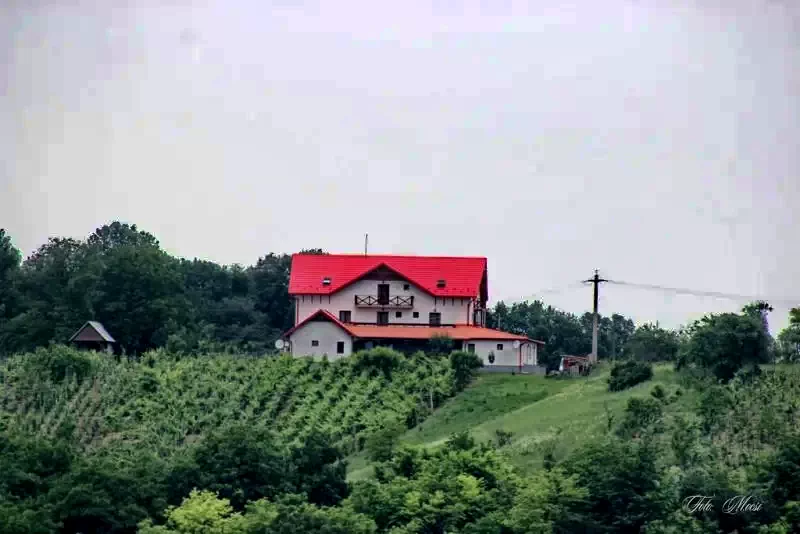
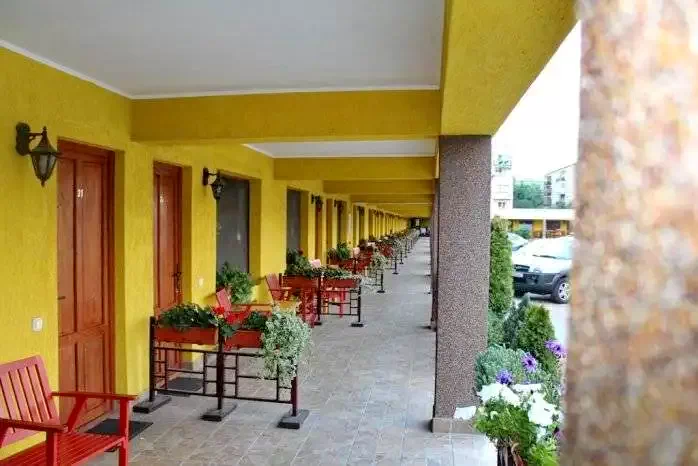
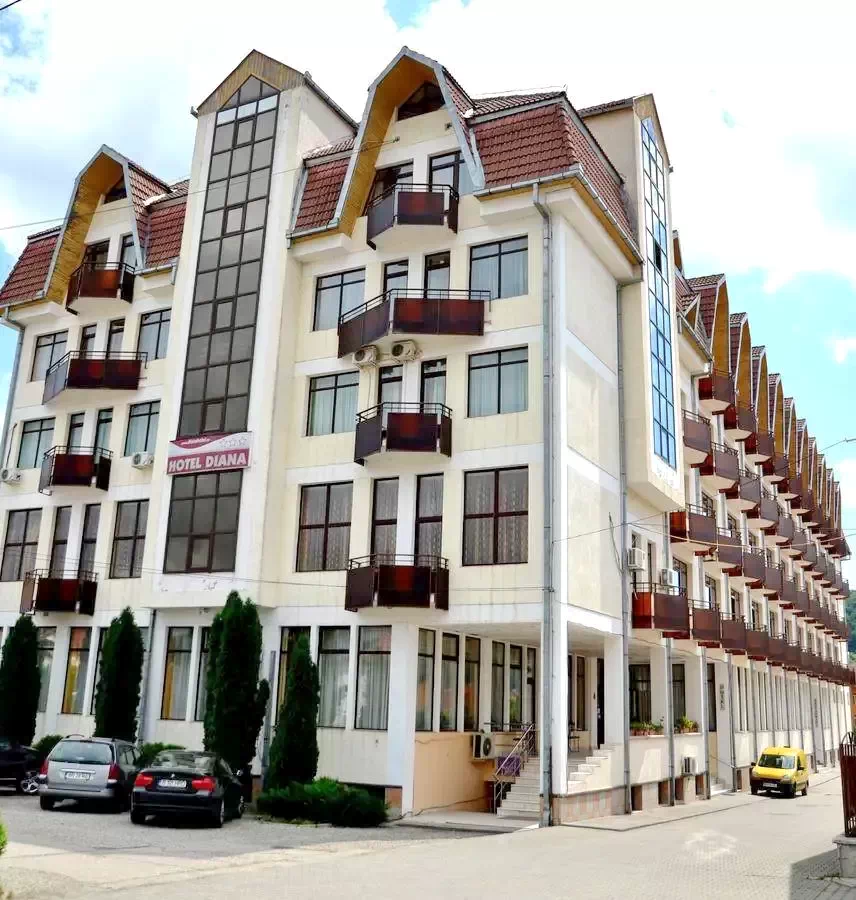
Ocna Șugatag is located in historical Maramureș, in Maramureș County, within the Maramureș Depression, between the Mara and Cosău rivers, approximately 18 km south-southeast of Sighetu Marmației. It is the only settlement in the Iza Valley with a significant Hungarian population.
History and Name Origin
The name of the village refers to its origins as a mining settlement (Romanian: ocnă – salt mine) belonging to Fărcașa, which later developed into an independent village. Its distinct history began in the early 14th century when it was first owned by the Drágffy family and later became royal property at the end of the 15th century. Until the 18th century, salt was mainly extracted from surface deposits. By the end of the Middle Ages, Slavic and Hungarian miners had settled in the area, followed by German miners in the 16th century.
In 1777, a mining office was established, attracting German (Zipser) and Slovak workers from Gölnicbánya and Smolník. In 1858, a meteorological observation station was set up, one of the earliest in present-day Romania. Although the mine still produced 14,878 tons of salt in 1938, it was closed in 1950.
Natural and Cultural Attractions
Salt Baths and Lakes
Ocna Șugatag is a renowned spa resort with a complex featuring three pools. The first bathing site was formed after the collapse of an old salt mine. Due to its high salt content, the water is beneficial for treating various ailments. The village is also home to several salt lakes that formed in old mining pits, such as Lake Gavril (Romania's largest mine lake), Bottomless Lake, and Witches' Lake.
Historical Buildings
Roman Catholic Church (built between 1834-1836).
Orthodox Wooden Church, built in 1979.
Anna Chapel, Maria Chapel, and St. John of Nepomuk Chapel.
Pădurea Craiului (King’s Forest)
To the north of the village, King’s Forest spans 44 hectares, offering excellent opportunities for hiking and nature exploration.
Notable Attractions in the Surrounding Area
"Saint Nicholas" Wooden Church in Budești (1643) – a UNESCO World Heritage Site.
"Paraschiva" Wooden Church in Desești (1770) – also a UNESCO World Heritage Site.
Mocănița Steam Train – a 60 km-long narrow-gauge railway passing through the scenic Vaser Valley. It operates with Romania's only working steam locomotive, built in Berlin in 1910.
Bârsana Monastery – an architectural complex built in the 1990s, featuring a wooden church standing 57 meters high.
Merry Cemetery in Săpânța – famous for its vividly painted crosses depicting scenes fr…